Location: Home >> Detail
J Sustain Res. 2026;8(1):e260015. https://doi.org/10.20900/jsr20260015
 ,
Johnatan Castro-Gómez 2 ,
Santiago Gutiérrez-Broncano 3 ,
Elkin Darío Rave-Gómez 4
,
Johnatan Castro-Gómez 2 ,
Santiago Gutiérrez-Broncano 3 ,
Elkin Darío Rave-Gómez 4
1 Faculty of Legal and Social Science, University of Castilla-La Mancha, Toledo 45001, España
2 Faculty of Business Sciences and Economics, Tecnológico de Antioquia, University Institution, Medellin 050041, Colombia
3 Faculty of Social Sciences and Information Technologie, University of Castilla-La Mancha, Talavera de la Reina 45600, España
4 Faculty of Business Studies, University Institution of Envigado, Envigado 055428, Colombia
* Correspondence: Camilo Giraldo-Giraldo
The purpose of this study was to connect fragmented research on sustainable human resource management (SHRM) and sustainable leadership (SL), conceptualising approaches, trends, and hypothetical propositions for use in future empirical studies. Furthermore, modern organisational theories and trending paradigms on sustainability and their economic, social, and environmental approaches were explored and contextualised by selecting 169 articles from the Web of Science (WoS) from 2004 to 2024. Subsequently, a keyword analysis was conducted using Vosviewer software; the most representative qualitative and quantitative research methods were also analysed. The results showed a growing integration between SHRM and SL, and between performance and sustainable practices (SPs). This research provides a holistic view and its significance lies in linking two key emerging concepts for understanding long-term organizational sustainability.
SHRM, Sustainable Human Resource Management; SL, Sustainable Leadership; SPs, Sustainable Practices; SISH, Human Sustainability Integrated System; RL, Responsible Leadership
Organisational adjustments and transformation should be grounded in responsible processes and in a clear understanding of corporate strategy, since internal procedures are designed to optimise priorities and strengthen organisational adaptive capacity. Firms face simultaneous pressures to generate economic, social and environmental value over the long term. In this context, organisational change must align with responsible strategies and sustainability goals that transcend budget cycles and managerial periods, implying action in the present guided by a long-term vision and realistic objectives consistent with the overall strategy [1,2].
Long-term objectives direct firms towards stability, responsible growth and comprehensive sustainability [2,3], whereas short-term objectives respond to immediate operational needs [4]. Achieving balance between these horizons requires leadership capable of connecting corporate goals with human development, supported by a coherent and participatory organisational culture [5,6]. Under this perspective, humanistic management rests upon trust, flexibility and communication, thereby fostering more sustainable and cohesive working environments.
Social, technological and environmental change has reshaped organisational management, driving firms to rethink structure, culture and stakeholder relationships [7]. Within this scenario, sustainable human resource management (SHRM) and sustainable leadership (SL) emerge as strategic pillars linking people development with organisational sustainability [2,3,8]. This shift is notable because firms have long prioritised growth models focused almost exclusively on profitability [4,9].
More recent approaches emphasise that people management and leadership can trigger sustainable development across economic, social and environmental domains [6,10], enabling organisations to turn sustainability challenges into opportunities for shared value creation [11] and to promote employment relations grounded in collective wellbeing [12].
Despite the expansion of both fields, bibliometric evidence and literature reviews indicate that SHRM and SL have largely evolved along parallel trajectories, with limited conceptual and operational integration, resulting in theoretical duplication, terminological overlap and difficulties in transferring insights across subfields [3]. Co-occurrence analyses also reveal dispersion across adjacent strands, such as green HRM, common-good HRM and responsible leadership, which still appear partially disconnected across the human resource and leadership literatures [13,14]. This fragmentation constrains cumulative theorising and reduces clarity about how sustainability can be embedded in organisational systems and translated into competitive outcomes.
To address the theoretical gap, the Integrated Human Sustainability System (SISH) is proposed as a framework that brings together three interconnected planes of analysis and action: (i) the structural–operational plane, where SHRM is positioned as an architecture of people-management policies, practices, and systems oriented towards sustaining organisational and sustainability outcomes [2,4,15,16]; (ii) the cultural–behavioural plane, in which SL shapes values, decision criteria, and behavioural patterns that translate sustainability into direction and collective action [17,18]; and (iii) the relational–systemic plane, which makes explicit the coherence between structure and culture and describes how their coupling enables the consistent implementation of sustainable practices and their translation into competitive performance [19–21].
Within this plane, SISH conceptualises complementary causal roles: SHRM as a moderator (by configuring structural conditions that strengthen or weaken effects) [2,4,22] and SL as a mediator (by channelling cultural and behavioural mechanisms) [17,23]; therefore, by integrating SL and SHRM, sustainable practices can operate cohesively with organisational structure, business strategy, and environmental demands [19,20].
The contribution of this manuscript is twofold. First, it provides bibliometric and literature-based evidence for the period 2004 to 2024, mapping foundational nodes and bridging authors between SHRM and SL, and positioning this evolution within the broader context of sustainability thinking [2–4,24,25]. Second, it formulates SISH as an integrative framework offering ontological and epistemological foundations to articulate both fields, while supporting more robust sustainability theorising aimed at explaining convergence across systems.
Accordingly, our inquiry addresses three questions: how SHRM and SL evolved in parallel and in a fragmented manner between 2004 and 2024; what conceptual and operational gaps hinder their integration within a shared framework; and how SISH articulates the structural plane linked to SHRM, the cultural plane linked to SL and the relational plane linked to systemic coherence. To answer these questions, we adopt an integrative synthesis design that combines a systematic literature review based on Web of Science records, record refinement through the PRISMA protocol and bibliometric analysis using VOSviewer [26].
Recent research recognises SHRM and SL as key drivers for guiding organisations towards sustainability. However, bibliometric evidence and review findings indicate that both domains have evolved in parallel, with limited conceptual and operational integration, generating theoretical duplication, terminological overlap and difficulties in transferring findings across subfields [3,7].
Within SHRM, advances have consolidated the integration of economic, social and environmental dimensions into people- management policies and systems, yet challenges persist in operationalisation, cross-sectional measurement and the availability of validated empirical models [2,4]. Within SL, the literature expands leadership towards ethics, justice and culture as mechanisms of coherence, although its systematic connection with the architecture of people management remains incomplete [8,27].
Within this triangle, SPs operate as the plane where structure and culture become observable. However, without an integrative architecture they tend to fragment or be conflated with practices that are exclusively HR-related [13,14]. Therefore, SISH is proposed as an integrative framework that specifies complementary roles, structure, SHRM, cultural cohesion, SL, operational translation and SP, to explain how sustainability is translated into competitive performance and organisational resilience.
Conceptual Delimitation Between Sl and RlBuilding the SISH system requires delineating the role of leadership as a mechanism of cultural and functional cohesion. In this domain, it is imperative to recognise the conceptual proximity of responsible leadership (RL), understood as a relational and ethical approach oriented towards responding to the demands of a multi stakeholder society. In line with this, the systematic review by [28] defines RL as a distinctive construct, multilevel in nature, that integrates ethical, social and environmental responsibilities and emphasises accountability and trust in the leader’s relationship with diverse stakeholder groups. Likewise [29], synthesising eighteen years of research, highlight the consolidation of RL and organise the existing evidence on its antecedents, mediating mechanisms, contingent conditions and outcomes, providing criteria to differentiate it from other moral leadership approaches and to explain its contribution to long term outcomes linked to sustainability and stakeholder relations.
This study seeks to explain how sustainability becomes routines and outcomes through the nexus between SHRM, leadership and the implementation of SP. For this reason, SL is selected because it explicitly integrates economic, social and environmental goals [30] and activates long term mechanisms, cultural cohesion and resilience, that sustain consistent implementation. Consequently, RL is treated as a closely related perspective, but SL better captures the cultural and behavioural conduit that translates SHRM enabled capabilities into practices and outcomes.
Theoretical Foundations of SHRMSHRM has consolidated as an approach that integrates the economic, social and environmental dimensions into talent management, moving beyond the instrumental efficiency-centred view of HRM and positioning people as strategic agents of sustainable value [4,25]. This development is commonly interpreted through the distinction between hard and soft HRM models. Hard HRM prioritises productivity and cost control, whereas soft HRM emphasises commitment and motivation [31]. With the expansion of the sustainability paradigm, both logics have been reframed by incorporating wellbeing, equity and environmental preservation as core considerations for people management [4].
Among the main theoretical antecedents is the contribution of [32], who conceptually foregrounded employment sustainability and employee voice as mechanisms linking HR decisions with sustainable outcomes. Although not an indexed publication, it remains a salient historical reference because it anticipated later debates on moving beyond a purely economic view of people management and helped pave the way for more consolidated proposals advanced by [2,4].
Kramar (2022) [2] marks a turning point by positioning SHRM as a strategic normative paradigm that broadens the scope of the HR function. Her framework explicitly integrates social dimensions such as wellbeing, equity and organisational justice, alongside environmental dimensions, such as the work-related ecological footprint, green competencies and eco-efficiency. These dimensions are operationalised across recruitment, training, appraisal, rewards, participation and health and safety. The proposal draws on the triple bottom line logic [24] and translates it into the routines and decision domains of people management.
Kramar (2022) [2] extends this conceptualisation by arguing that SHRM should not only integrate economic, social and environmental considerations, but also transversally embed SPs in decision-making, thereby strengthening organisational resilience and adaptability. Complementarily, Cosenza et al (2024) [14] stress that the internal consistency of HR practices and their alignment with organisational strategy are necessary conditions for SHRM to yield meaningful effects on competitive performance.
Parallel contributions have explored the environmental strand of people management [33–36]. However, much of this work evolved in a fragmented way, often separated from broader strategic integration and without systematically incorporating social dimensions, such as wellbeing and labour equity, thus constraining its consolidation as a comprehensive framework.
Aust et al (2020) [13] underline the value of [2,4] synthesis for articulating SHRM as an integrative agenda connecting sustainability and HR. Overall, this progression supports a shift in the HR function from a narrow emphasis on economic efficiency towards a broader strategic orientation linking sustainability goals with organisational practices and their internal and external impacts. These strands are summarised in Table 1.
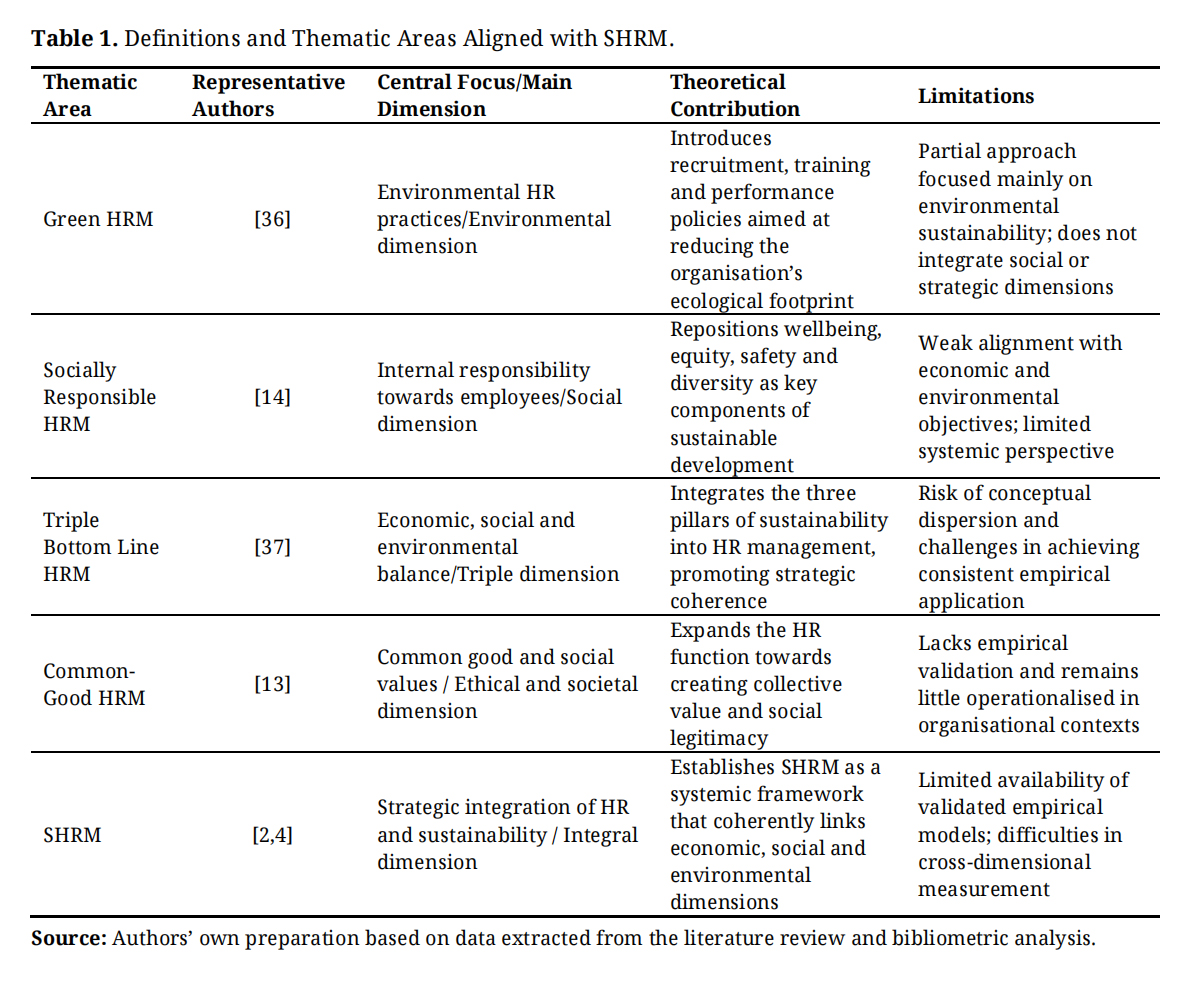 Table 1. Definitions and Thematic Areas Aligned with SHRM.
In this line, and following the contributions of [2,4] SHRM can be conceptualised as a system of organisational convergence that aligns policies, strategies and values under the logic of sustainability. From this perspective, SHRM functions as a bridge between strategic aspirations and everyday work experience, connecting corporate priorities with human wellbeing and environmental regeneration. Table 2 compares key conceptual and empirical contributions that underpin this transition.
Building on this synthesis, Table 2 shows that SHRM has evolved from a functional alignment logic focused on efficiency and compliance toward an approach of structural convergence in which HR policies, processes and metrics are oriented towards sustainable value creation. At the same time, the literature highlights gaps in how policies, systems and outcomes are articulated when examined through an integrated and convergent lens. This trajectory also reflects an ontological shift in people management, where individuals are not treated merely as an operational resource, but rather as a vital component of organisational systems capable of activating learning dynamics and resilience [2,14].
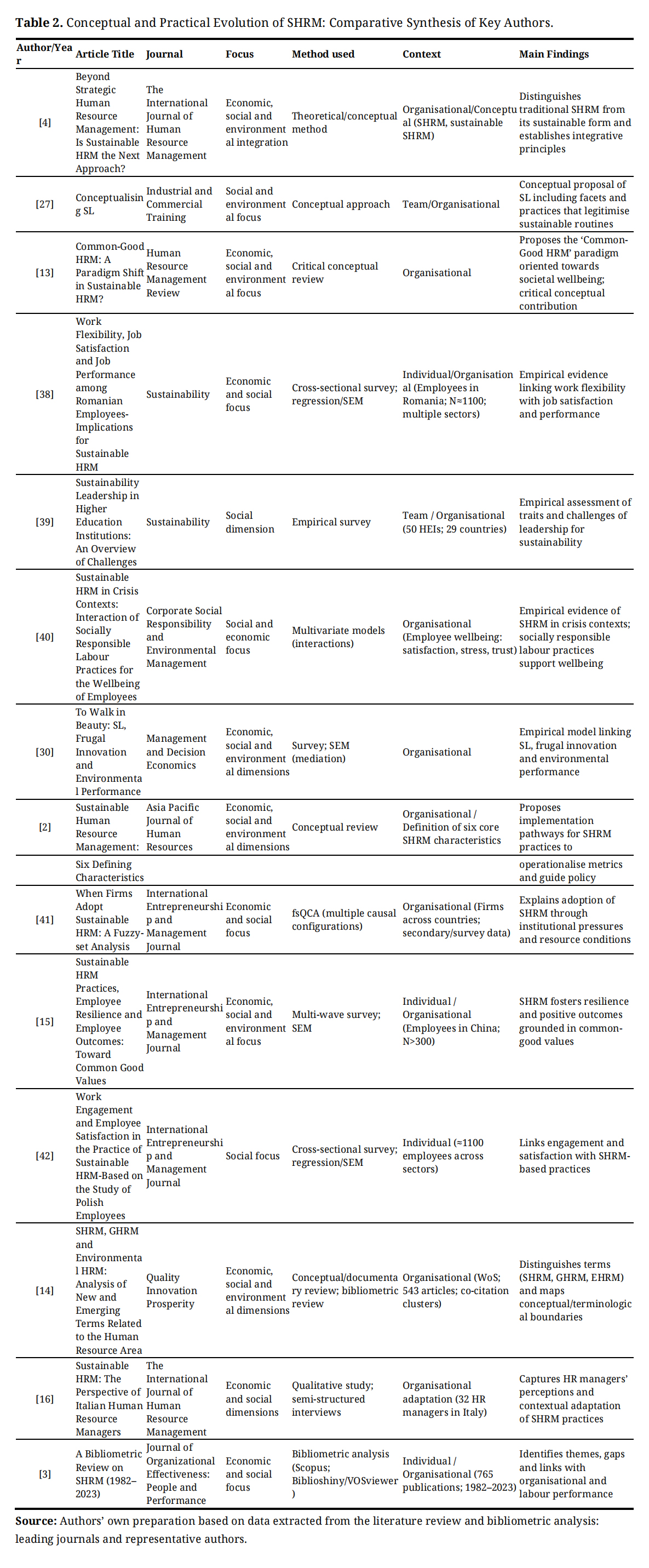 Table 2. Conceptual and Practical Evolution of SHRM: Comparative Synthesis of Key Authors.
Based on the preceding evidence, Table 3 contextualises the role of SHRM within the SISH through seven structural principles: policies, processes, systems, SPs, internal outcomes, external outcomes and organisational dynamic capability. Each dimension links the SHRM literature with a corresponding structural principle, its projected impact and its specific contribution to the SISH, highlighting the role of SHRM as a vector of coherence and strategic structuring.
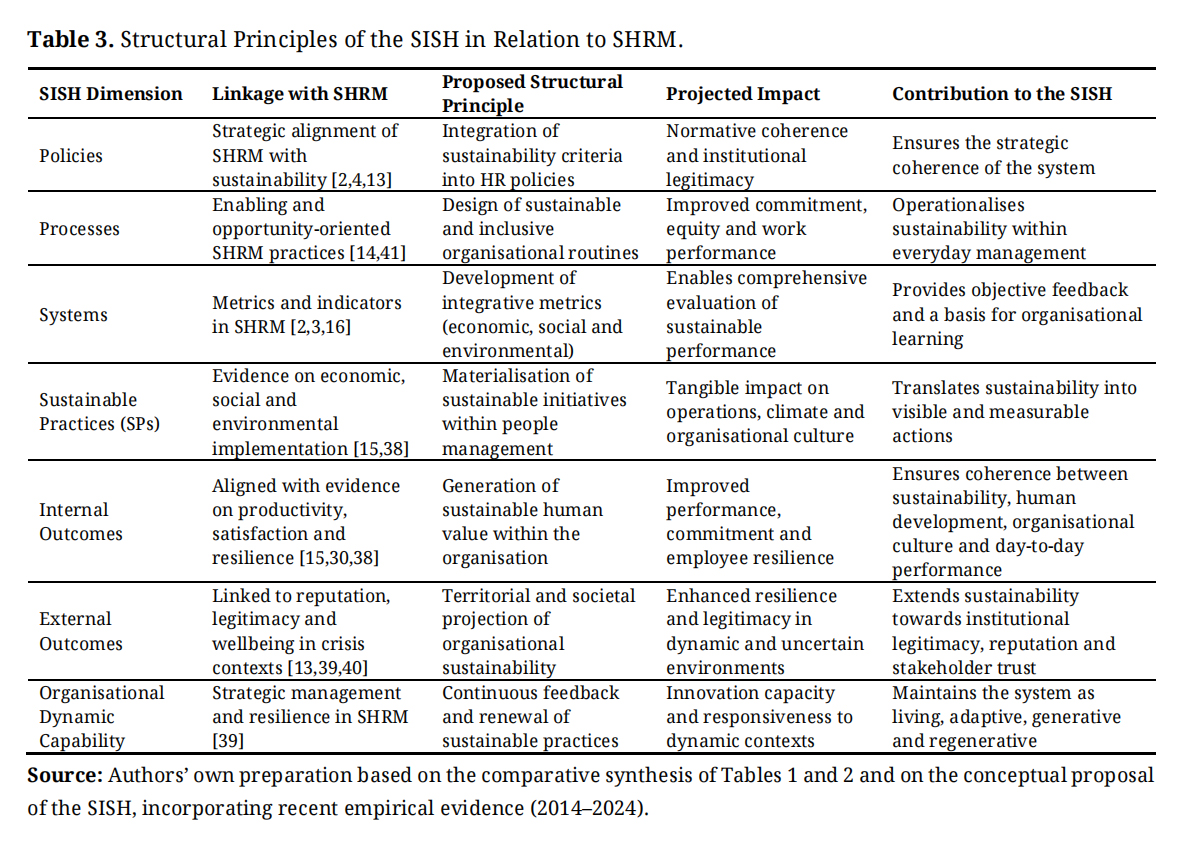 Table 3. Structural Principles of the SISH in Relation to SHRM.
In line with the objectives of this study, SHRM is conceptualised as the organisational system that connects policies, processes and metrics, shaping routines and decision-making and enabling coherence across economic, social and environmental objectives [24]. In this sense, SHRM translates sustainability values into practice through internally consistent and adaptable HR configurations, linking individual capabilities with collective dynamics within the organization.
This logic supports its moderating role in the relationship between SPs and performance outcomes, such as productivity, corporate reputation, talent attraction and resilience under uncertainty [13]. When HR practices exhibit coherence and flexibility, SHRM enhances the translation of SPs into sustained performance by stabilising core routines while preserving adaptive capacity. Accordingly, SHRM contributes to operationalising the SISH by ensuring that strategic intentions become observable behaviours and by enabling continuous organisational learning from implemented practices.
From this perspective, SHRM and the SISH are reciprocally interdependent: SHRM provides the structural basis through which sustainability is enacted at organisational level, while the SISH offers the conceptual framework guiding this structure towards concordant human value creation. This articulation positions sustainability as an emergent condition derived from coherence across system levels, rather than as a purely declarative aim.
Theoretical Foundations of SLSL can be understood as the outcome of an evolutionary trajectory within leadership theory, in which successive approaches contributed partial insights while revealing limitations that progressively expanded the leadership agenda beyond short-term effectiveness and immediate goal attainment [43,44]. This progression helps explain how disperse thematic and practical developments converged into SL as an integrative, sustainability-oriented approach.
Early contributions include charismatic leadership, which emphasised personal influence as a source of trust and obedience, yet remained highly dependent on individual qualities and therefore fragile in succession or crisis contexts [45]. Transactional leadership, grounded in exchange relationships through rewards and sanctions, provided clarity and short-term efficiency but reduced the leader-follower relationship to an instrumental bond without a transformative horizon [46]. In response to these constraints, transformational leadership introduced inspiration, motivation and shared vision as mechanisms for cultural change [47], while ethical and responsible leadership incorporated integrity, justice and social responsibility into decision-making, strengthening organisational legitimacy [48].
Servant leadership further broadened this evolution by prioritising service to others and collective wellbeing, adding an explicitly community-oriented dimension to leadership theory [49,50]. Although its empirical consolidation remains limited and definitional diversity complicates operationalisation, it provided important foundations for SL by integrating values of service, community and cultural cohesion [49,50].
Spiritual leadership subsequently foregrounded purpose, meaning and transcendence at work, with evidence linking it to psychological wellbeing, organisational commitment and prosocial behaviour, thereby offering additional conceptual resources for sustainability-oriented leadership [51]. Together, these developments form the antecedents that shaped the transition towards SL. Table 4 synthesises representative leadership approaches, their theoretical contributions and their limitations.
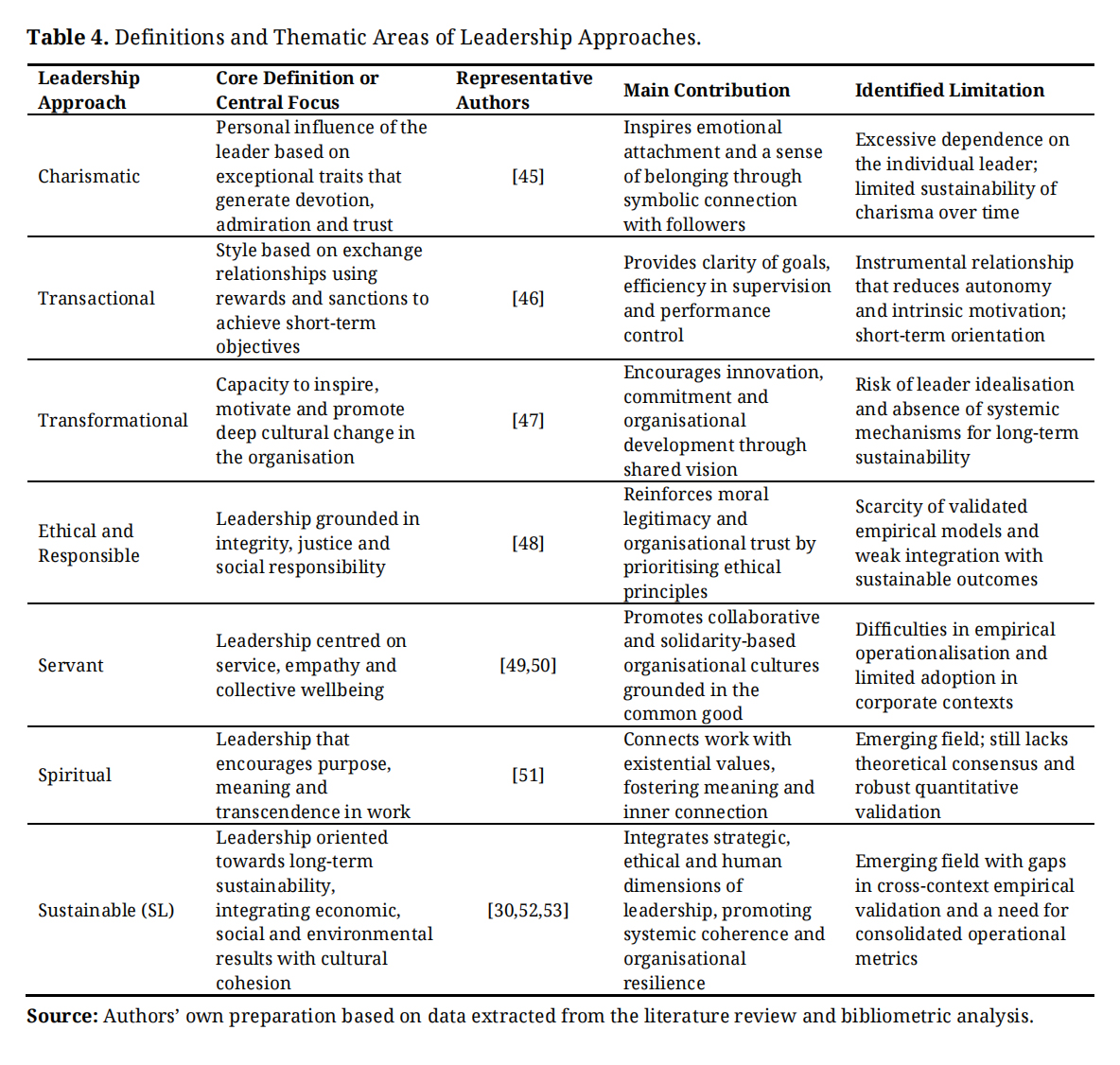 Table 4. Definitions and Thematic Areas of Leadership Approaches.
Building on these antecedents, SL emerged as an integrative approach that combines long-term orientation, resilience and cultural cohesion with the capacity to balance economic, social and environmental objectives [52,53]. In this evolution, SL draws on transformational and ethical perspectives but reorients them towards the creation of sustainable value over time. Contributions by [8] have been influential in consolidating SL as an emerging field within organisational sustainability, particularly through empirical links between leadership, frugal innovation and environmental performance. Evidence from family SMEs also points to the importance of succession dynamics, community ties and intergenerational values in bolstering organisational cohesion [54,55].
Despite these advances, gaps persist in the joint articulation of SHRM and SL. [56] note that SHRM contributions remain conceptually disperse and weakly integrated across levels of analysis, limiting systematic connections between practices, outcomes and leadership approaches. Similarly, [57] highlight the absence of unified frameworks and a geographical concentration of studies, with comparatively less attention to smaller-scale contexts and emerging economies. In the limited body or research jointly examining SHRM practices and SL, integrated models remain uncommon, even when the mediating role of SL between HRM practices and organisational outcomes is acknowledged [18].
These gaps partly reflect a persistent separation in the literature. SHRM is often treated as a people-management domain without explicitly integrating leadership as a mechanism for execution, cultural alignment and the translation of sustainability into organisational routines [2]. Conversely, SL is frequently analysed independently of people-management strategy, which reduces its articulating capacity within the organisation [8,30].
Consequently, SL is better conceptualised in a complementary relationship with SHRM. While SHRM provides strategic coherence through alignment between HR policies and organisational sustainability objectives [2,4], SL contributes cultural-functional cohesion by strengthening the shared meaning, commitment and behavioural alignment required for long-term sustainability [8,17].
Table 5 presents a comparative synthesis of key SL contributions, highlighting objectives, mechanisms, levels of analysis and reported evidence.
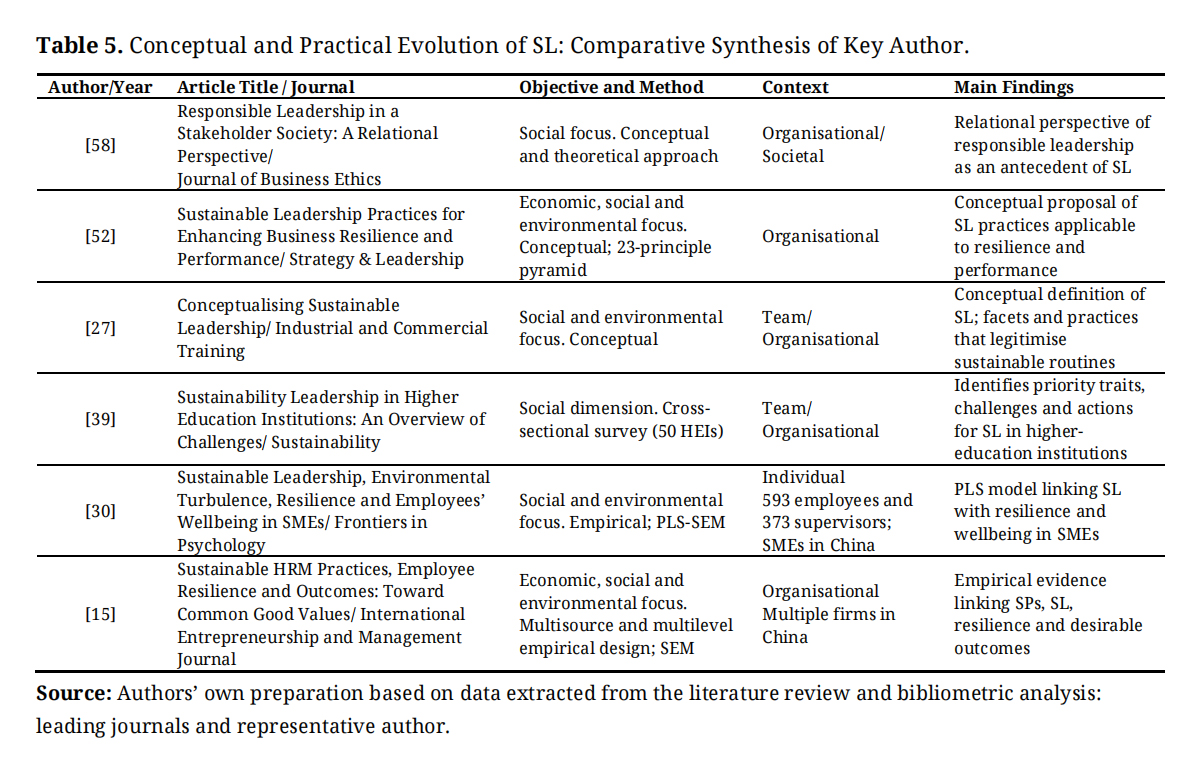 Table 5. Conceptual and Practical Evolution of SL: Comparative Synthesis of Key Author.
The comparative synthesis highlights convergences in long-term orientation, the centrality of values and the pursuit of multiple outcomes, alongside divergences in how practices and metrics are operationalised depending on the level of analysis and sectoral context. Despite these advances, the recent literature and bibliometric evidence underline the decentralisation and fragmentation of SL in relation to people management [59], underscoring the need to articulate SL within a shared systemic framework, as previously discussed in connection with SHRM.
Drawing on the preceding evidence, Table 6 contextualises the role of SL within the SISH through seven structural principles parallel to those applied to SHRM: policies, processes, systems, SPs, internal outcomes, external outcomes and organisational dynamic capability. Each dimension links SL literature with an operative principle, its projected impact and its specific contribution to the SISH, emphasising the role of SL as a driver of cultural and functional cohesion.
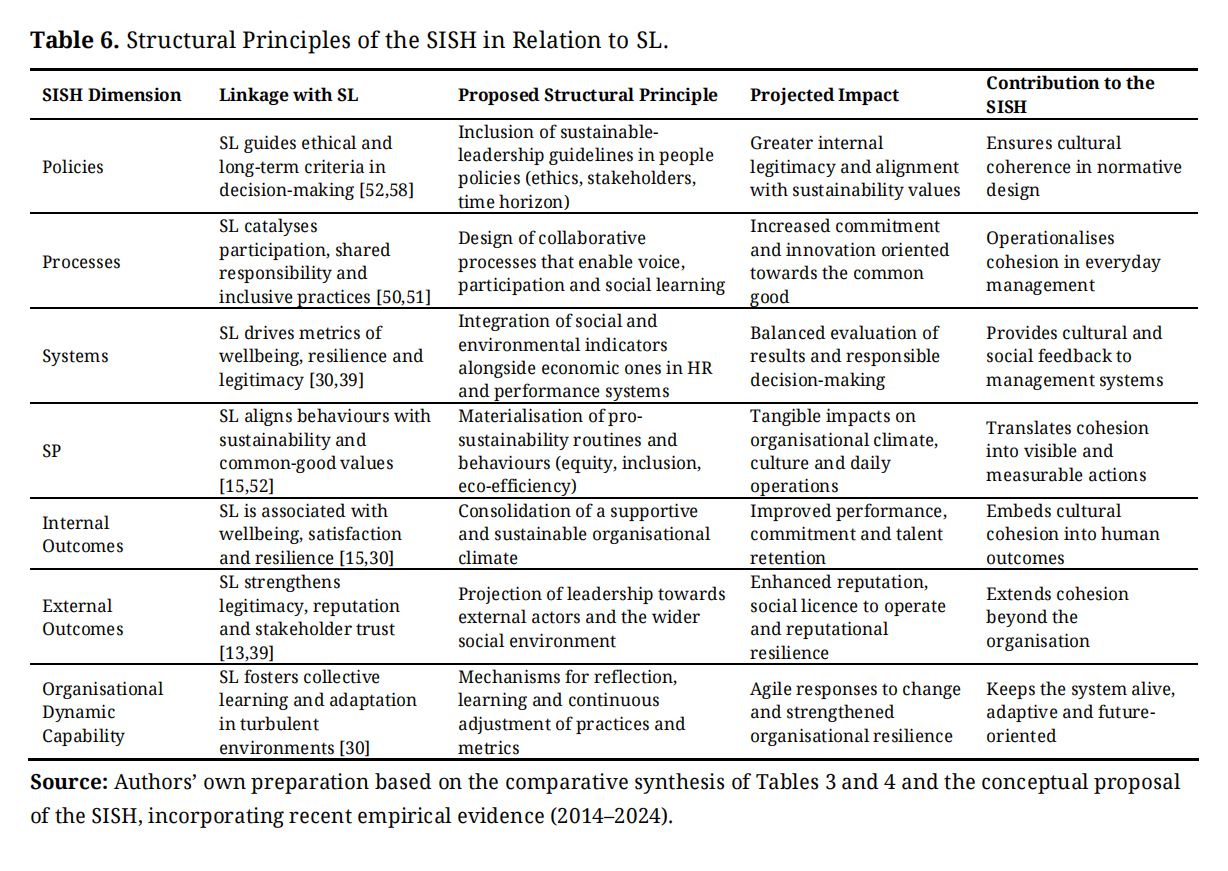 Table 6. Structural Principles of the SISH in Relation to SL.
Complementing the role of SHRM as the structural backbone, SL within the SISH functions as the cultural and relational mechanism that anchors ethical values, shared purpose and behavioural and functional coherence. Its mediating role lies in embedding sustainability principles into everyday practices, thereby shaping employee commitment, organisational wellbeing and adaptive resilience [8,15]. Beyond influencing internal dynamics, SL also projects legitimacy, reputation and trust towards external stakeholders [39,53].
By ensuring that sustainability is experienced as an integrated culture rather than an abstract policy, SL provides the cohesion required to align organisational structures with values and long-term culture. In so doing, it transforms sustainability from a normative aspiration into a tangible collective practice. Thus, SL complements SHRM’s moderating function, consolidating the SISH as an integrated framework capable of generating structural solidity and cultural legitimacy, with normative, functional and adaptive consistency for dynamic environment.
Integration of SHRM and SL within the SISHThe articulation of SHRM and SL within the SISH is based on the recognition of their complementary roles. SHRM provides the structural backbone, shaping the policies, processes and systems that embed sustainability into organisational routines [2,4,13]. In parallel, SL acts as the cultural-functional cohesion mechanism that translates these structures into shared values, behaviours and stakeholder trust [8,30].
Together, SHRM and SL converge to form an integrated system of human sustainability. Their interaction ensures both operational coherence and cultural legitimacy, guaranteeing that sustainability does not remain confined to strategic documents but becomes embedded in daily practices and long-term orientation. This synthesis positions the SISH as a conceptual platform for future empirical exploration.
To move beyond the individual analyses of SHRM (Table 3) and SL (Table 6), Table 7 presents a comparative synthesis of SHRM, SL and SPs alongside the SISH. This integrative perspective highlights complementarities and challenges across domains, reinforcing the conceptual foundations of the integrated human sustainability system.
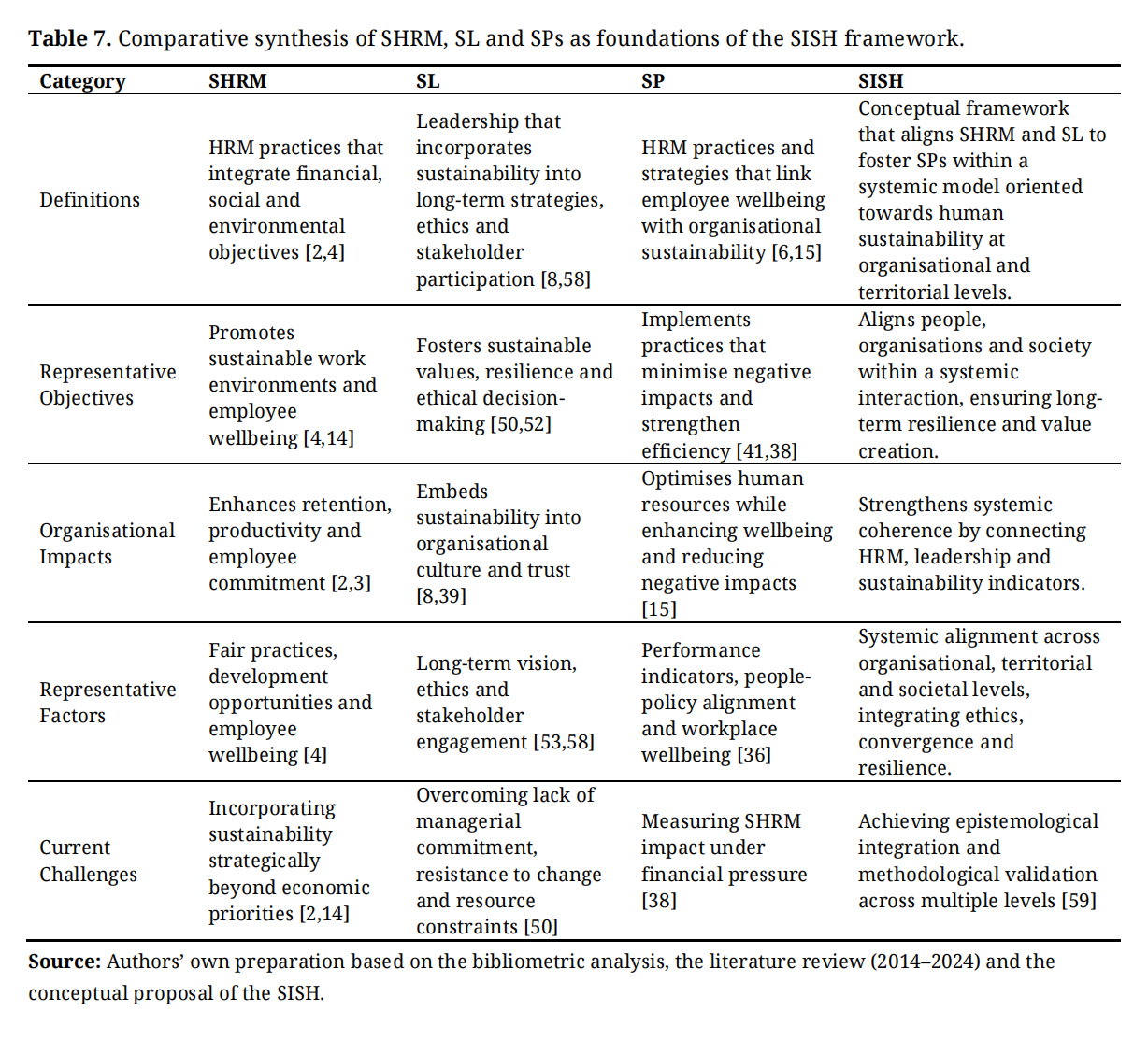 Table 7. Comparative synthesis of SHRM, SL and SPs as foundations of the SISH framework.
We conducted a systematic literature review based on records from Web of Science and reported the identification, screening, eligibility, and inclusion phases in accordance with PRISMA 2020. [60] establish the reporting standard that underpins the transparency and replicability of this evidence-selection process. To capture the field’s intellectual structure and thematic organisation, we complemented the review with a bibliometric mapping in VOSviewer (v1.6.18) to visualise keyword co-occurrence networks and identify coherent thematic clusters. This dual strategy, systematic screening followed by a structured synthesis, aligns with the methodological logic of integrative reviews that consolidate fragmented research streams; [56] illustrate this approach by integrating disperse multi-level contributions to advance the state of the art.
Building on the thematic architecture derived from the mapping, we developed an integrative narrative synthesis of the most influential and thematically central works within each cluster, with the aim of consolidating a conceptual framework that distinguishes: (i) a structural layer associated with SHRM, (ii) a cultural layer associated with SL, and (iii) a relational layer grounded in systemic coherence. Following this, a sample of the most representative papers was generated to consolidate the literature review (see Table 8).
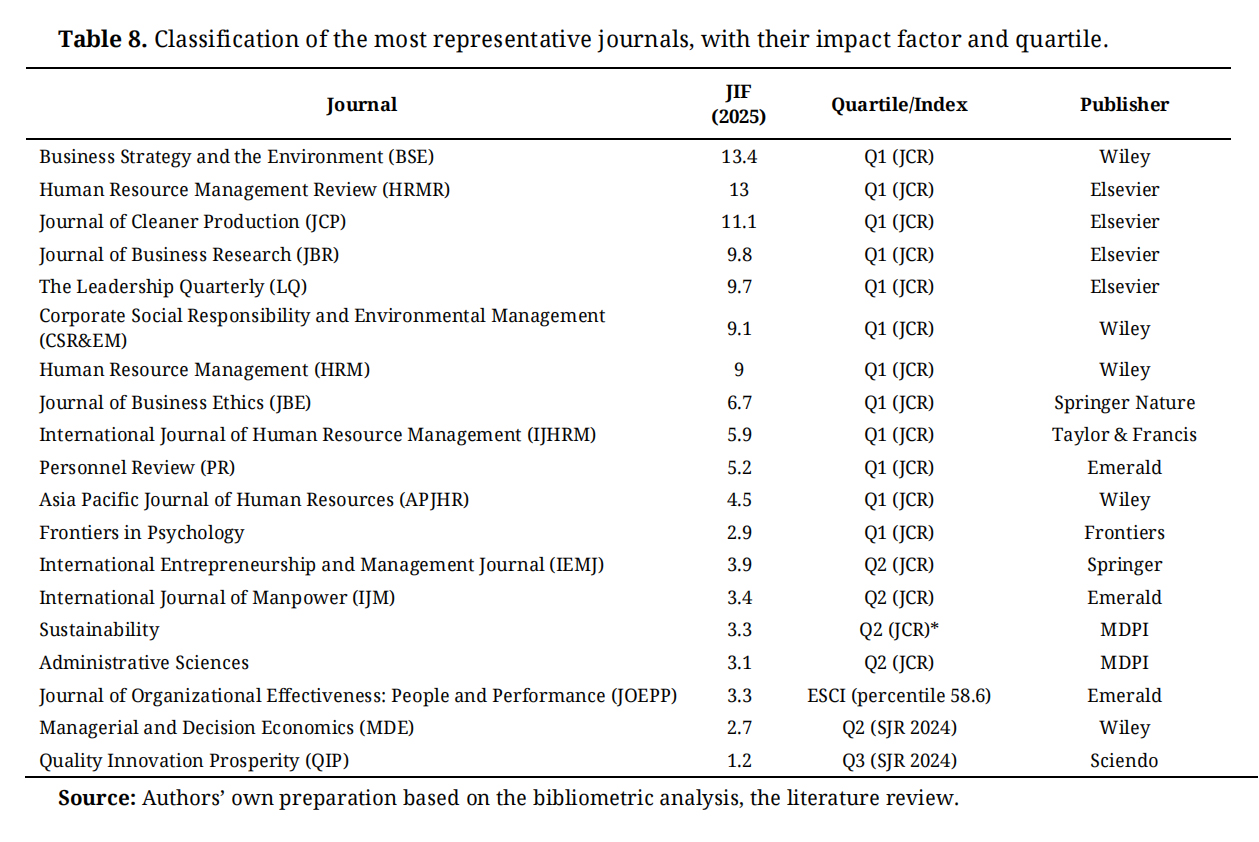 Table 8. Classification of the most representative journals, with their impact factor and quartile.
The different articles to be analysed were extracted from the Web of Science database, which is the most reliable database for research-related topics and features high quality journals [61,62]. The WoS is considered a benchmark database in academia, as supported by studies conducted by [62]. Additionally, this database references information on journals, countries, authors, keywords, subject areas, areas of knowledge, among other aspects [63]. This provides quantifiable and reliable data for scientific mapping, evolution of a field of research, bibliometric analysis, literature review [63–65] as applied in this study for the combined bibliometric and literature review analysis.
The extraction was carried out using the terms “Sustainable Human Resource Managers” OR “leadership Sustainabl”, applied to the Title (TI) and Topic (TS) fields. The search was operationalised as: ((TI= (“Sustainable Human Resource Managers” OR “leadership Sustainabl”)) OR (TS= (“Sustainable Human Resource Managers*” OR “leadership Sustainabl*”))) AND PY= (2004–2024). Because TI restricts results to the title and TS covers the title, abstract, author keywords, and Keywords Plus, their combination maximised coverage while maintaining conceptual control.
Following the initial identification (406 records), formal and eligibility criteria were applied for refinement (107 excluded; 299 retained for screening): non-relevant records were removed based on editorial/initial selection criteria in line with the PRISMA flow. During title and abstract screening, 93 records were excluded when: (i) the terms appeared only tangentially, without developing SHRM or SL; (ii) there was no explicit sustainability framework (e.g., organisational sustainability, sustainable practices, sustainability-linked performance) connecting people management or leadership; or (iii) the focus was generic and did not contribute to the objective of the bibliometric mapping. In the full-text assessment (206 articles), 37 were excluded due to: (a) methodological limitations for the study’s purposes, (b) an explicit absence of focus on SHRM/SL/sustainability, or (c) insufficient relevance to the SHRM-SL core, resulting in a final sample of 169 articles for the bibliometric analysis.
Selected Technique for Data CleaningThe selection process followed PRISMA guidelines. During the identification phase, WoS returned 406 records. Initial filters and formal criteria (document type and peer review) were then applied, leading to the exclusion of 107 records and the retention of 299 for the screening stage. During screening, through a review of titles and abstracts, 93 records were excluded as they did not align with the thematic focus and/or failed to meet the eligibility criteria, resulting in 206 articles assessed in full text. Finally, in the eligibility and inclusion stage, following full-text reading, 37 articles were excluded on methodological and relevance grounds (in line with the study criteria), yielding a final sample of 169 articles for analysis (Figure 1).
As title- and abstract-based searches may yield records where key terms appear in heterogeneous contexts, a careful screening strategy was applied to minimise false inclusions. Accordingly, the screening stage focused on verifying that SHRM and SL were addressed within a sustainability-oriented frame (sustainable development, sustainability goals, sustainable practices and related organisational approaches), and that the relationship between people management and leadership was substantively connected to sustainability.
To operationalise the theme of interest, the review prioritised studies explicitly addressing the linkage between SL and HRM, or between SHRM and leadership, within organisational settings. In particular, the eligibility assessment retained articles engaging with core HR and leadership domains, such as recruitment and selection, training and development, performance appraisal, employee well-being, hiring practices and decision-making, provided these were analysed from a sustainability perspective and contributed to understanding the SHRM-SL nexus.
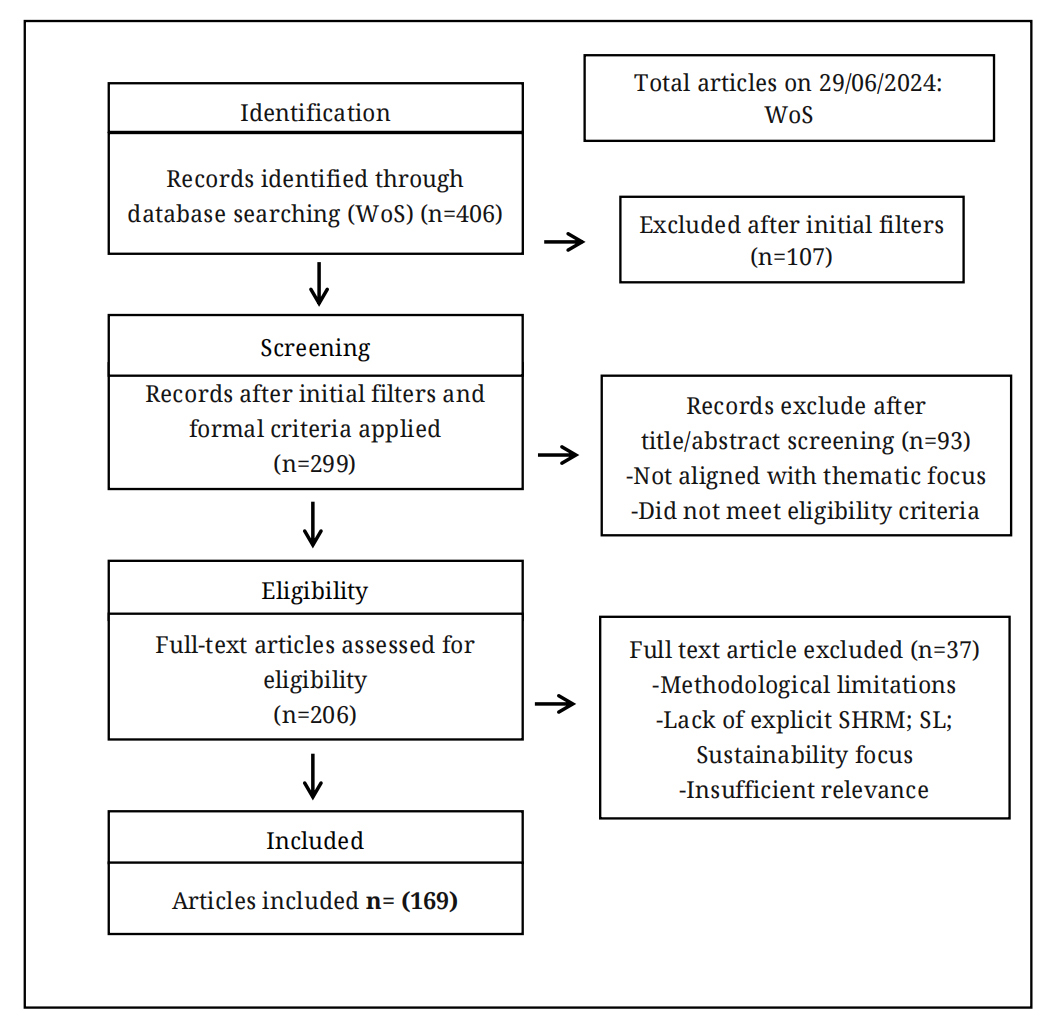 Figure 1. Hypothetical approach. Preferred Reporting Items for Systematic Reviews and Meta-Analyses (PRISMA). Source: Authors’ own preparation based on data from the Web of Science (WoS).
Although bibliometrics does not offer a single sample-size threshold that is valid across all fields, recent evidence suggests that corpus size is typically determined by the analytical objective and the degree of data cleaning applied to the dataset [3,66]. In this regard, [63,65] show that studies can work with larger or more limited collections without losing interpretive capacity, provided that the final set enables the identification of stable co-occurrence networks and consistent thematic clusters.
On this basis, a corpus of 169 articles was considered methodologically sufficient to support robust co-occurrence structures and strategic visualisations, given that VOSviewer provides established procedures for bibliometric mapping and the generation of interpretable clusters in specialised fields [26,67].
Software Used for Statistical AnalysisVOSviewer (version 1.6.18) was employed for the analysis of the final sample consisting of the selected WoS articles. VOSviewer is widely used in bibliometric and science-mapping studies because it enables the construction and visualisation of bibliometric networks and strategic diagrams with a high degree of graphical clarity. Authors such as [7] and [63] recommend its use, highlighting that its interface, widely recognised as user-friendly and intuitive, enables researchers to conduct and interpret bibliometric analyses in a more rigorous and efficient manner.
It is worth clarifying that, although the study covers the period 2004-2024, Figure 1 begins in 2006 because the first records in the Web of Science (WoS) database explicitly incorporating terms related to SHRM and SL appear from that year onwards. Articles published between 2004 and 2005 did not yet feature a consolidated focus on sustainability in people management or responsible leadership; instead, they offered partial approaches to social responsibility, environmental management or general sustainability.
Figure 2 presents the annual publications of the articles analysed in the WoS database. It shows the increase in the number of articles published as the years progress, exhibiting a linear trend from 2006 to 2016, with minor variations observed 2011, 2014 and 2015.
From 2017 to 2024, there is a significant increase in publications, with 2023 being the year with the highest number of articles published, totalling 27 (n= 27). However, analysing the graph’s projection, 2024 is slightly lower than 2023, with in only two fewer articles. It could be inferred that the highest year of publication is 2024, although the maximum number of published papers has not yet been reached.
In terms of impact, 2014 was the year with the most citations, reaching a total of 571, closely followed by 2019 with 518 and then 2023 with 295, reflecting the growing interest in the relationship between sustainability and organisational management.
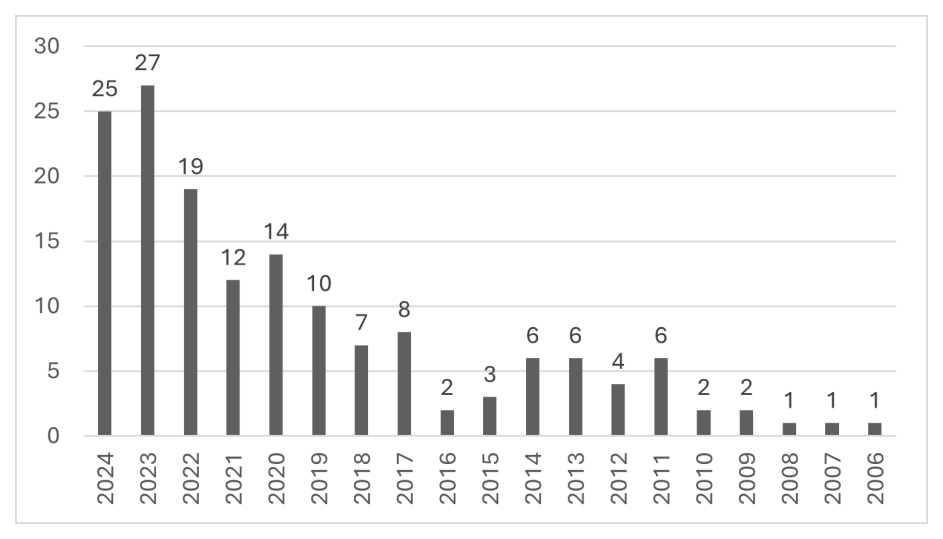 Figure 2. Years of publication of articles. Source: Authors’ own preparation based on data from the Web of Science (WoS).
With regard to impact, Figure 3 shows the annual citation trend, measured as the total number of citations received per year by the articles in the sample. The peak is observed in 2014 (n = 571), followed by 2019 (n = 518). 2023 ranks third (n = 295). Although 2024 shows an upward pattern in terms of publication volume, its citation count cannot yet be interpreted as comparable because citations accumulate over time. This dynamic is consistent with citation-lag effects and the consolidation of influential contributions published in earlier years, while the more recent growth indicates a sustained and increasing scholarly interest in the nexus between sustainability, organisational management, human resource management and organisational leadership.
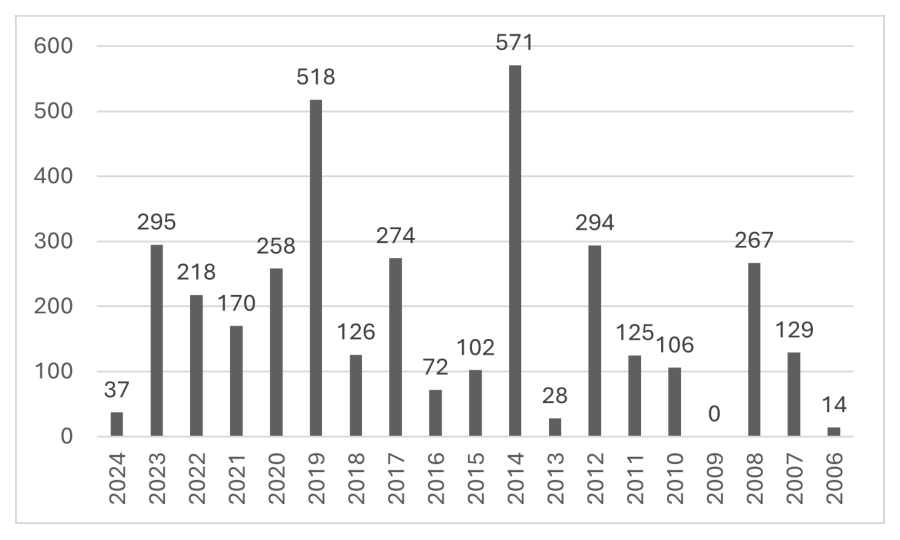 Figure 3. Annual citation trend. Source: Authors’ own preparation based on data from the Web of Science (WoS).
Accordingly, 2006 is identified as the empirical starting point of the field, marking the beginning of a more defined and upward conceptual trajectory [4,36].
Similarly, Figure 4 also begins in 2006, as citation patterns recorded in 2004 and 2005 are marginal or not relevant to the thematic scope of the study. This is due to publications prior to 2006 not yet employing the indexed descriptors sustainable HRM or sustainable leadership as formal search criteria. Consequently, the values from 2006 onwards more accurately represent the formal and traceable emergence of the scientific field, allowing its conceptual evolution and progressive consolidation in the international literature to be observed, as demonstrated in the works of [14,22].
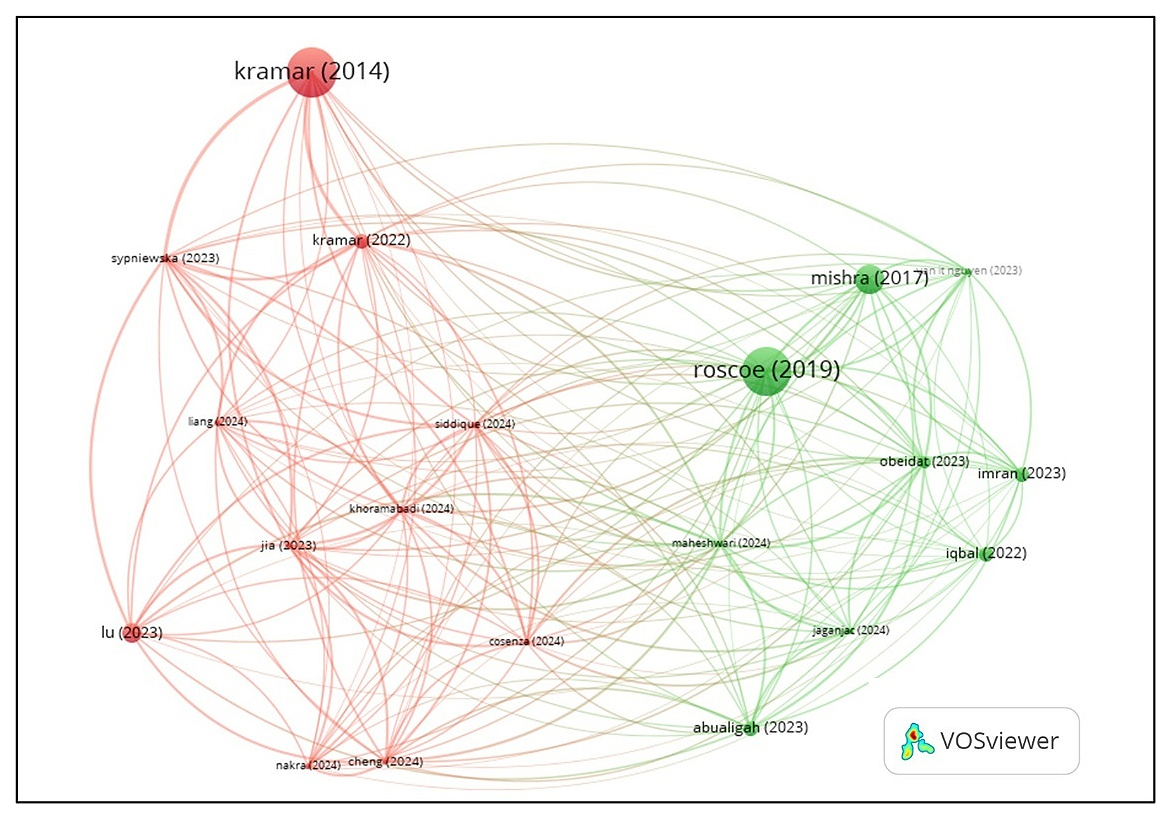 Figure 4. Citations by authors. Source: VOSviewer statistical software.
From the perspective of journals, Table 8 summarises the leading outlets that have published the analysed articles, their Journal Impact Factor (JIF 2025), quartile and indexing. The analysis shows a clear concentration of publications in high-impact journals (Q1), which reflects the theoretical and methodological maturity of the field. Particularly prominent are Business Strategy and the Environment (JIF = 13.4, Wiley), Human Resource Management Review (JIF = 13.0, Elsevier) and Journal of Cleaner Production (JIF = 11.1, Elsevier), all of which feature cutting-edge studies on corporate sustainability, people management and ethical leadership [22,68].
In addition, journals such as The Leadership Quarterly (JIF = 9.7, Elsevier) and Journal of Business Research (JIF = 9.8, Elsevier) have played a pivotal role in consolidating the theoretical and methodological foundations of organisational sustainability [50]. Within the specialised field of human resource management, Human Resource Management (JIF = 9.0, Wiley) and The International Journal of Human Resource Management (JIF = 5.9, Taylor & Francis) have been essential in shaping the conceptual and empirical development of the sustainable HRM approach [4,41].
Sustainability (JIF = 3.3, MDPI) and Administrative Sciences (JIF = 3.1, MDPI), although classified in the second quartile (Q2), play a significant role by providing platforms for disseminating interdisciplinary and emerging research. Sustainability has been especially influential in studies on work flexibility, satisfaction and performance in sustainable workplace contexts [38,39], while Administrative Sciences has evolved towards an integrative approach to sustainability, leadership and organisational regeneration, making it an increasingly suitable platform for rigorous hybrid research related to sustainability.
Overall, Table 8 reflects the balance of an editorial ecosystem composed of both high-impact journals (Q1) and high-quality open-access Q2 publications that contribute to the democratisation of knowledge in sustainability, leadership and people management. This editorial diversity facilitates the articulation of complementary perspectives and supports the scientific consolidation of the field.
Most Representative AuthorsBased on this study, Kramar (red cluster) represents SHRM, whereas Iqbal represents SL (green cluster) (see Figure 4). Thus, by analysing the network, we can focus on how these areas are connected within the production of scientific manuscripts. Although [19] and [69] show a high density of connections in the network, their inclusion is not essential for the theoretical development of this study. On the one hand, [19] focus on the relationship between corporate sustainability management and responsible business strategies; on the other hand, [69] proposes a green human resource management framework primarily oriented towards environmental performance in emerging economies, without delving into the conceptual articulation of SHRM or SL as posed in this research. Consequently, although both contribute to the field of green management, they are regarded as peripheral to the core theoretical focus of this work.
Subsequently, analysis of the red cluster reveals the largest node in this group, indicating that [2,4] work constitutes a central reference on this topic. In turn, the network shows that the red cluster (Figure 4) links [2,4] with authors such as [15,16,41] who have continued their lines of research based on the context developed by [2,4]. Thus, the interconnections within this cluster centralise authors who have begun to strengthen research on SHRM.
The green cluster visualises the connections of Iqbal with authors such as [68,70,71], suggesting the existence of an emerging sustainable leadership research network within the academic context. This is supported by the observation that the green network is less dense than the red network. The analysis of the green cluster reveals a less influential position within the network than the red cluster, suggesting the need to strengthen the sustainable leadership line of research.
These two clusters represent complementary approaches to organisational sustainability; their interconnection within the network highlights the need to continue deepening this relationship. In this regard, [3,6,14] act as connecting nodes between the two fields of study, suggesting an emerging interest in exploring the relationship between SHRM and SL. Finally, [14], whose intermediate position in the co-citation network configures them as a connecting node between the red cluster (centred on SHRM) and the green cluster (associated with SL), offer an evolutionary and terminological review of SHRM, GHRM and Environmental HRM that reveals the persistent conceptual fragmentation of the field. Far from closing the debate, their results highlight the need to move towards integrative frameworks that explicitly articulate SHRM and SL, precisely the theoretical gap addressed in this chapter.
Co-Occurrence Network of Keywords by ClustersFigure 5 presents the generic co-occurrence network, constructed from an initial set of 825 keywords and refined to 58 relevant terms contextualised in Table 9. These terms configure the three predominant clusters: SHRM, SL and Sustainable Organizations (SO). The structure, comprising 514 links and a total link strength of 1032, reveals a tripartite architecture that synthesises the need to advance towards human sustainability as a relational axis of value.
In the red cluster, dominated by terms such as sustainable development, organisational innovation, technological innovation and economic sustainability, the structural domain of SHRM is centred, connecting to processes, systems and organisational capabilities [2,4]. This cluster reflects the functional orientation of sustainability, where talent management emerges as a strategic alignment mechanism connecting productivity, innovation and environmental responsibility [15].
The green cluster groups together nodes such as ethical leadership, personal development, self-awareness and sustainability reports, representing the domain of SL and centred on the cultural and behavioural dimension of organisational change. Here, sustainability is internalised as a practice rooted in ethical meaning, long-term vision and collective awareness, consistent with the perspectives of [30,58], who view sustainable leadership as a moral catalyst of structural transformation.
The blue cluster, encompassing terms such as environmental performance, CSR performance, corporate sustainability and competitive advantage, delineates the domain of sustainable organizations, where the outcomes of sustainable management are reflected in environmental performance, institutional legitimacy and competitive advantage [14,22]. This group of links expresses the external and adaptive layer of the networks, where internal policies and values are translated into tangible, measurable outcomes.
Analysis of the network suggests the densest lines of connection reveal an emerging integration of SHRM and SL through the nodes representing sustainable organizations, impact and sustainable performance. However, link density is not yet homogeneous, indicating persistent conceptual fragmentation: SHRM maintains its emphasis on functional coherence, while SL retains its orientation towards cultural cohesion.
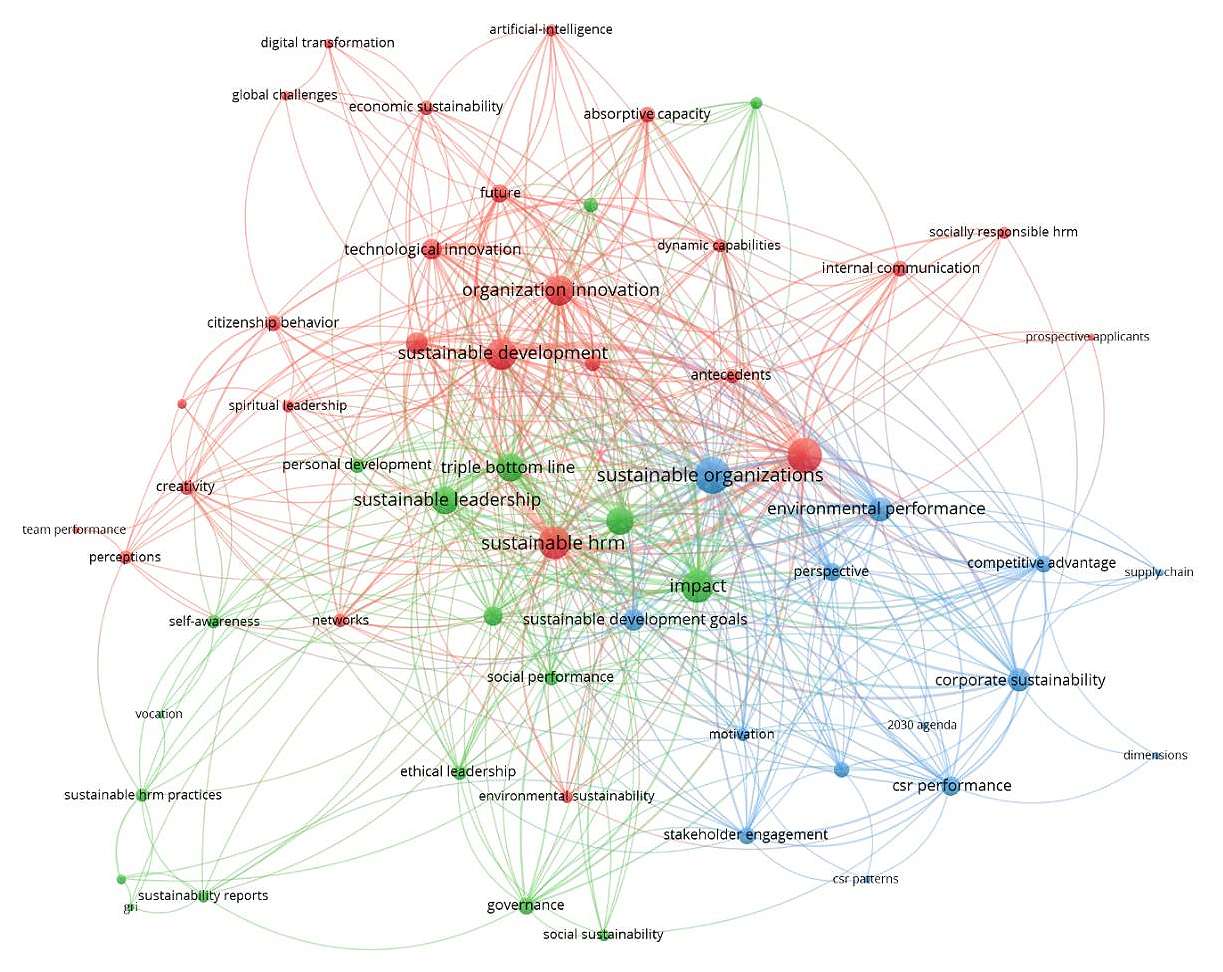 Figure 5. Generic Co-occurrence Network of Terms. Source: VOSviewer statistical software.
Within this context, SPs appear in the network as an operative relational node located between the domains of SHRM and SL. Their intermediate position suggests they act as a transfer channel between the strategic and cultural levels of organisational sustainability, connecting management policies with values and behaviours.
Nevertheless, this function has not yet materialised into a formal integrative framework, as referenced by the conceptual gap identified in the existing literature by [3,6]. This gap invites progress towards models capable of explaining how SPs can simultaneously articulate structure, culture and action, guiding the transition from thematic coexistence to genuine systemic and convergent integration of sustainability.
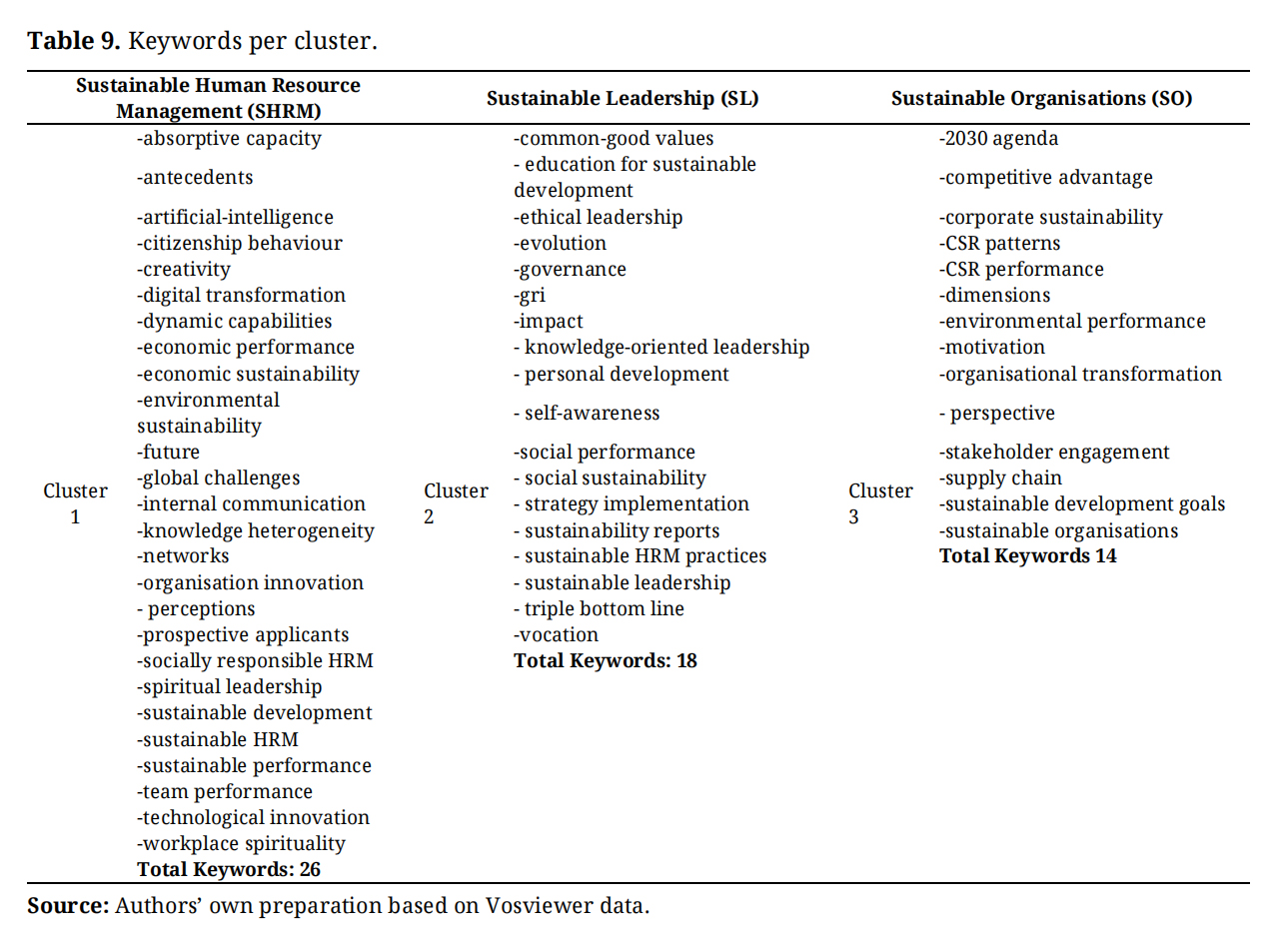 Table 9. Keywords per cluster.
The Integrated Human Sustainability System (SISH) is defined as a theoretical-operational framework that articulates the dynamic interactions between SHRM, SL and SPs. Unlike fragmented approaches that address these dimensions in isolation, the SISH integrates them within a systemic architecture composed of three interdependent planes strategic-structural, functional-cultural and operational-systemic together with an emergent property termed adaptive coherence, which ensures the continuity and resilience of the system.
Although many systemic approaches to sustainability offer useful typologies and integrative frameworks, they often treat the human element as an assumption, or as an aggregated social factor, rather than as an explanatory mechanism. In corporate sustainability, integration schemes across levels tend to prevail without specifying how the human capacity that enables implementation is sustained [72], while, in sociotechnical transitions, the tendency to privilege macro-level and supply-side dynamics has been criticised for neglecting the micro-dynamics of practices, decisions and agency [73,74].
The SISH differs in that it positions human sustainability as the causal core of the system and assigns complementary functions, with SHRM as the enabling infrastructure and SL as a cultural mechanism of alignment, consistent with the sustainable HRM agenda, which explicitly emphasises how human resources are preserved and regenerated over time [13,73].
In its strategic-structural dimension, the SISH is grounded in the functional convergence of SHRM, understood as the set of policies, processes and systems that ensure alignment between organisational strategy and sustainability principles. This plane defines the structural coherence of the model, providing direction, stability and consistency to organisational decision-making. In this way, sustainability acts as a transversal axis guiding strategic planning, talent management and the consolidation of competitive performance.
The functional-cultural dimension corresponds to the domain of SL, which serves as the relational mediator between structural policies and organisational behaviours. At this level, sustainability is translated into shared values, attitudes and behaviours, fostering relational cohesion and a collective sense of purpose. From this perspective, leadership not only guides but inspires and internalises ethical principles that strengthen institutional legitimacy through trust, commitment and organisational reputation.
The operational-systemic dimension reflects the practical materialisation of sustainability. At this level, policies and values are translated into observable and measurable actions that influence organisational, territorial and societal performance. SPs function as an operative translation axis that connects structure and culture with tangible outcomes, expressing sustainability through decisions, metrics and innovations that bolster organisational resilience and learning.
The interaction of these three dimensions manifests as adaptive coherence, understood as the system’s emergent property, enabling it to maintain dynamic equilibrium in the face of environmental change. This coherence is not static but evolutionary, as it expresses the SISH’s capacity to integrate, readjust and transform its structural, cultural and operational components without losing systemic identity, as shown in Table 10. In this sense, the SISH embodies a vision of sustainability as a coherent field of human interactions, where structure provides direction, culture generates meaning and concrete practice produces legitimacy and sustainable value over time.
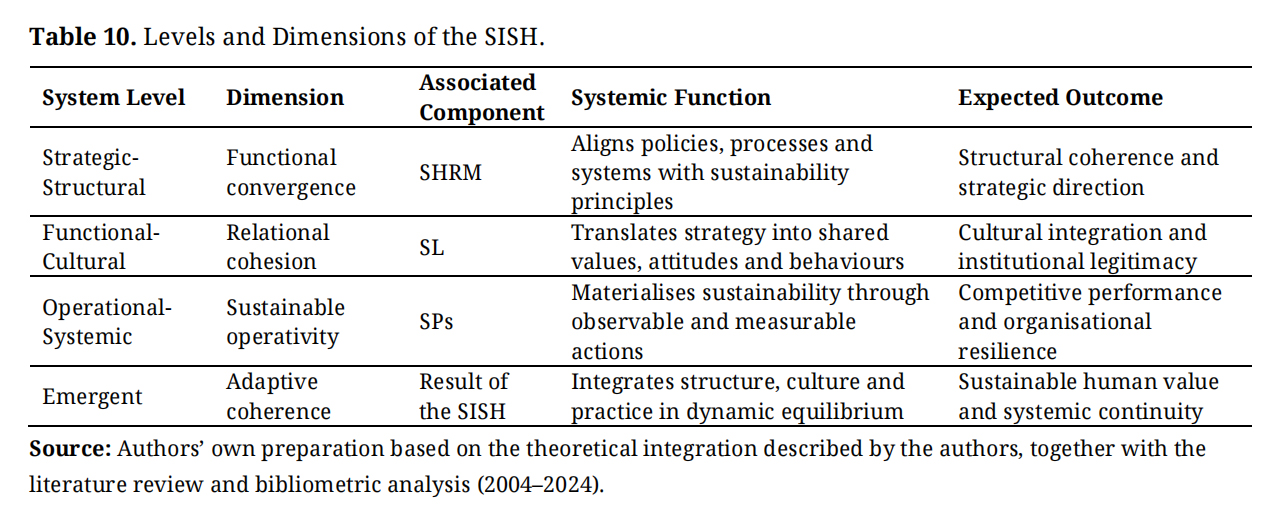 Table 10. Levels and Dimensions of the SISH.
Having defined the SISH as a multilevel architecture (strategic-structural, functional-cultural, and operational-systemic) and its emergent property of adaptive coherence, the next step is to specify the design logic that makes this architecture analytically usable. Accordingly, we derive a set of design principles that translate the model’s levels into relational mechanisms, enabling conceptual clarity and generating testable statements for subsequent empirical work.
Design Principles of the SISHDrawing on the bibliometric analysis and the specialised literature, six principles are identified that guide the design and functioning of the SISH, as shown in Table 11. These principles transcend linear views of sustainability by conceptualising it as an emergent, configurational and relational process, in which structure, culture and operativity emerge as tangible and intangible instruments of adaptive coherence.
In turn, Figure 6 graphically represents the SISH, configured as a dynamic system of interdependence between SHRM in its structural-strategic dimension (red) and SL in its cultural-relational dimension (green), connected through a bidirectional arrow that reflects their functional convergence. At their point of intersection, the SISH emerges as the articulating core, from which SPs (blue) are projected as the operative expression of the balance between structure and culture.
The model incorporates two-way arrows across the organisational, territorial and societal levels, evidencing the multilevel, feedback-driven and adaptive nature of the system.
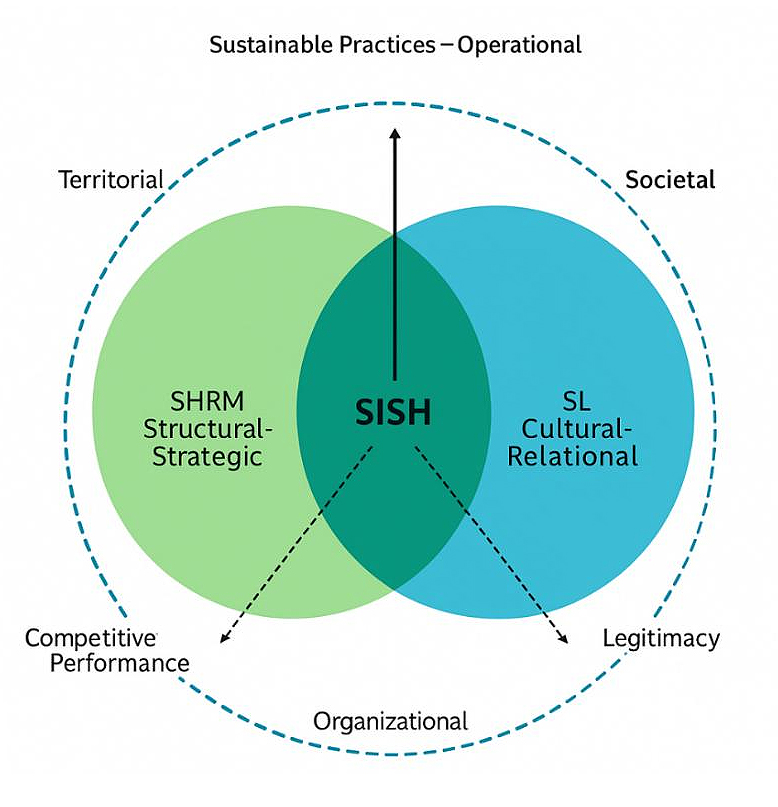 Figure 6. Graphical Representation of the SISH. Source: Authors’ own preparation based on the principles of the SISH model. Note: Reading Figure 6 as a proposition-generating device, it operationalises the design principles by visually linking the structural-strategic (SHRM) and cultural-relational (SL) planes through a bidirectional mechanism of convergence. The projection of SPs as the operative expression of this convergence clarifies why sustainable outcomes are expected to be configurational rather than linear, and why moderation (SHRM) and mediation (SL) become theoretically necessary mechanisms within the model.
In order to strengthen transparency between the bibliometric evidence and the conceptual synthesis, each design principle is derived explicitly from the tripartite architecture observed in the co-occurrence network (Figure 5; Table 9). On this basis, the principles in Table 11 are formulated as explanatory mechanisms that clarify how structure-culture-outcomes are connected and why sustainability is expressed in a configurational rather than a linear manner. In this respect, Table 11 does not merely summarise conceptual attributes, rather it specifies the causal logic of the SISH: principles (i)–(iii) establish the model’s relational and configurational ontology, while principles (iv)–(vi) delineate the roles through which SHRM and SL condition the effectiveness of SPs and the system’s capacity to sustain performance, legitimacy and human wellbeing simultaneously, coherently and across multiple scales-spanning the organisational, territorial and societal levels.
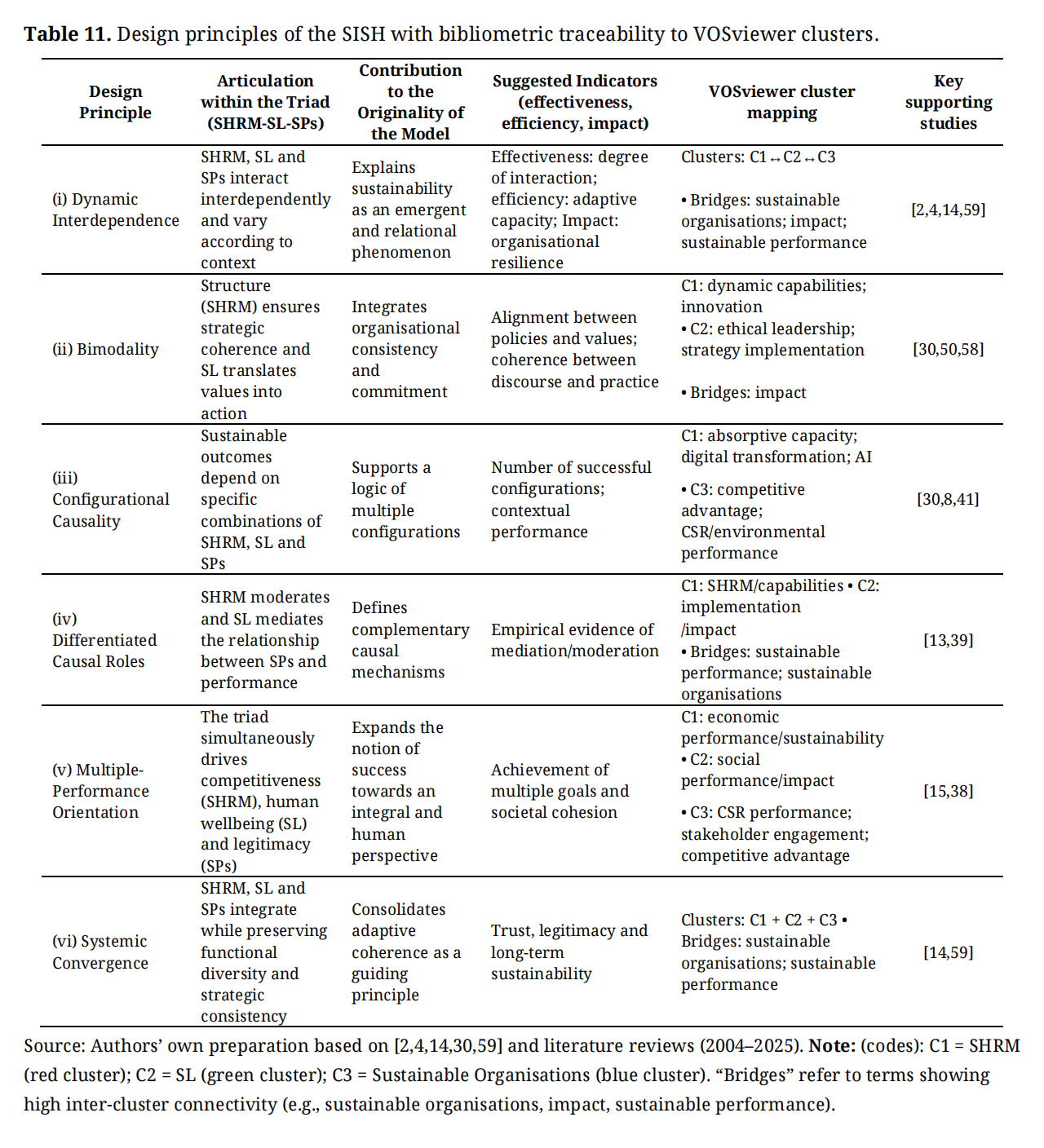 Table 11. Design principles of the SISH with bibliometric traceability to VOSviewer clusters.
Building on the design principles in Table 11, we translate the SISH into a set of propositions specifying (a) effect directionality, (b) the causal roles of SHRM (moderator) and SL (mediator), and (c) the expected configurational character of sustainable outcomes. These propositions bridge the conceptual architecture (Figure 6) with the study’s analytical strategy). They synthesise the theoretical field reviewed, the bibliometric evidence, and the interrelations mapped in the conceptual network (Figures 2 and 3), thereby providing a robust foundation for the empirical model to be estimated using PLS-SEM and examined through fsQCA.
P.1. Strategic Alignment of SHRM with SPsSHRM, when strategically aligned with SPs, amplifies the effect of the latter on organisational performance.
This proposition is grounded in the studies of [13,14] and [2,4] who show that human resource policies oriented towards sustainability integrate economic, social and environmental dimensions, generating more consistent and long-lasting outcomes.
Thus, SHRM acts as a structural and functional-convergence mechanism that translates sustainability strategy into concrete actions of wellbeing, productivity and institutional legitimacy.
P.2. Mediation of SL in the Relationship between Practices and OutcomesSL mediates the relationship between SPs and organisational results by channelling shared values, behaviours and meanings towards effective implementation [8,30,50].
SL acts as a cultural-relational cohesion agent that transforms strategy into commitment, guiding behaviours towards equity, innovation and organisational justice. Its mediating role is essential for translating SHRM’s structural policies into behaviours aligned with values, human dynamics and competitive performance.
P.3. Synergy between SHRM and SL for Organisational ResilienceThe interaction between SHRM and SL generates synergies that strengthen organisational resilience in changing and uncertain environments.
The studies by [13,39] highlight that the integration of sustainable management and ethical leadership enables strategic adaptability, innovation and long-term continuity.
This proposition recognises that sustainability does not depend on isolated policies but on systemic coherence across structures, values and cultural processes.
P.4. Robustness of the SISH as an Integrated FrameworkBy integrating SHRM and SL, the SISH constitutes a more robust framework than isolated approaches, capable of explaining the convergence between human sustainability and competitive performance.
This proposition posits that organisational sustainability must be conceived as an integral system in which the structural dimension (SHRM) and the cultural-relational dimension (SL) interact through a bidirectional flow of learning, innovation and shared meaning.
P.5. Empirical Validation and Applicability of the SISHEmpirical validation of the SISH through multivariate statistical models (PLS-SEM), configurational approaches (fsQCA) and multilevel analysis will demonstrate its applicability in diverse organisational and territorial contexts.
This proposition aims to assess the model’s internal and external consistency and its explanatory capacity regarding the relationships among sustainability, human resources, leadership, knowledge management, SPs and competitive performance. Accordingly, future research should advance the empirical testing of the SISH, with particular attention to the interaction between SHRM, SL and SPs and to the mediating and moderating functions that shape the system’s dynamics. To this end, future studies should: (1) test the differentiated causal roles of SHRM and SL across environmental and institutional contexts; (2) operationalise the indicators proposed in Table 11 to develop comparable measurement models; (3) examine multilevel spillovers from organisational outcomes to territorial and societal outcomes; and (4) compare symmetrical (PLS-SEM) and configurational (fsQCA) approaches to identify alternative pathways to competitive performance, legitimacy and human wellbeing. Overall, this agenda operationalises SISH principles in the organisational domain and enables robust testing of propositions concerning structural coherence, organisational cohesion and systemic operativity, thereby strengthening the model’s empirical and predictive foundations in line with the theoretical premises advanced in this work.
The SISH transcends an instrumental view of SHRM and SL as isolated domains by consolidating them within a convergent structure of adaptive cultural functionality, making integration actionable across organisational, territorial and societal contexts. In practice, organisations can translate SISH into (i) HR architecture: Recruitment and onboarding criteria that prioritise sustainability-related competencies; learning pathways that strengthen systems thinking and stakeholder literacy; and performance management that rewards collaborative improvement in social, environmental and human outcomes alongside economic results; (ii) leadership routines: regular sustainability sense-making briefings, distributed decision rights for local problem solving and role modelling practices that legitimise sustainability as a shared good; and (iii) SP governance: cross functional portfolios with clear owners, timelines and feedback loops linking workplace wellbeing, resource efficiency and community value creation. These mechanisms strengthen institutional legitimacy by aligning structural coherence, cultural organisational cohesion and systemic operativity in ways that are visible to employees, partners and local communities.
In addition, the SISH supports integrative indicators, for example, a human sustainability dashboard, to assess effectiveness, efficiency and impact at multiple levels, responding to the lack of holistic metrics highlighted in recent work, as described by [3,59].
It is important to recognise that this contribution is primarily conceptual and rests on the synthesis of prior literature; accordingly, the proposed mechanisms and indicators should be empirically examined across sectors, territories and over time to establish their robustness and practical relevance.
The bibliometric analysis and literature review confirm that [4] established the foundational bases of SHRM by positioning sustainability as the structural axis of human resource policies and practices. However, recent studies such as those by [3,30] have broadened the discussion by incorporating the economic, social and environmental dimensions within the scope of SL, thereby strengthening the notion of integral organisational sustainability.
The findings show that SHRM transcends an instrumental understanding of employee wellbeing, consolidating itself as a strategic mechanism for retaining qualified talent, enhancing institutional legitimacy and generating competitive value. Complementarily, [6] highlight that the interaction between SHRM and SL enables organisations to balance economic objectives with positive social and environmental impacts, thereby fostering a holistic view of human sustainability.
In parallel, SPs emerge as operative catalysts that facilitate the implementation and monitoring of sustainable strategies, integrating ethical values, collective wellbeing and organisational adaptability [14,59].
The bibliometric analysis implemented in this study addressed a persistent gap in the literature by clarifying the conceptual link between SHRM and SL through the analysed networks (Figures 2 and 3). Although both fields have evolved along their own trajectories, they exhibit limited theoretical articulation. This gap justified the creation of the SISH, an integrative model that brings together three complementary planes: the structural-functional convergence of SHRM, the cultural-functional cohesion of SL, and the relational-systemic dimension of adaptive coherence associated with SPs.
In so doing, the SISH provides a conceptual architecture that overcomes the fragmentation identified in the literature and explains how human sustainability translates into competitive performance, organisational resilience and social legitimacy. In practical terms, the model opens pathways for application in human resource policies, leadership styles and sustainable strategies, extending its influence beyond organisations to territories and societies.
The propositions derived from the SISH establish the foundations for future empirical validations using multivariate statistical models (PLS-SEM), configurational approaches (fsQCA) and multilevel analysis, all of which are capable of examining the complexity and multidimensionality inherent in the interactions between sustainability, leadership and performance.
In summary, the SISH represents an original contribution to the organisational sustainability literature by positioning human sustainability as the articulating axis between people management and SL. Rather than perceiving SHRM and SL as independent domains, the model integrates them into a replicable and adaptive structure capable of projecting its principles into organisations, territories and societies. Its value lies in proposing a conceptual model for the future of sustainable management, grounded in structural-functional convergence, cultural cohesion and a systemic operativity of adaptive coherence, thereby consolidating a holistic paradigm of human and organisational sustainability.
As with any bibliometric review, the findings should be interpreted in light of the analysed corpus and the technical decisions underlying the mapping process. In particular, cluster identification depends on term normalisation and the thresholds applied, and so minor adjustments may change the granularity of the networks without altering their overall logic. Likewise, citation-based indicators tend to privilege established contributions and may under-represent more recent publications. These considerations do not invalidate the results; rather, they delimit their scope and highlight opportunities for future triangulation using complementary sources and methods.
The dataset generated and analysed during the current study is available from the corresponding author upon reasonable request.
Conceptualization,CG-G, SG-B, JC-G and EDR-G; methodology,CG-G, SG-B, JC-G and EDR-G; VS software,CG-G, JC-G and SG-B; validation,CG-G, SG-B, and EDR-G; formal analysis,CG-G, SG-B, JC-G and EDR-G; investigation,CG-G, SG-B, JC-G and EDR-G; resources,CG-G, JC-G and SG-B; data curation,CG-G, SG-B, and EDR-G; writing original draft preparation,CG-G, SG-B, and EDR-G; writing review and editing,CG-G, SG-B, JC-G and EDR-G; visualization,CG-G; supervision, SG-B; project administration, SG-B; funding acquisition, SG-B, JC-G Authors have read and agreed to the published version of the manuscript.
The authors declare that there is no conflicts of interest.
This research was funded by Grant/Project No. 2025_GRIN_38_570 (“Knowledge management, digital transformation and sustainability in industry”), co-funded by the European Union through the European Regional Development Fund (ERDF). This research was also funded by resources from the Chair of Social Responsibility-an alliance between Banco Santander Spain and the University of Castilla-La Mancha (UCLM).
1.
2.
3.
4.
5.
6.
7.
8.
9.
10.
11.
12.
13.
14.
15.
16.
17.
18.
19.
20.
21.
22.
23.
24.
25.
26.
27.
28.
29.
30.
31.
32.
33.
34.
35.
36.
37.
38.
39.
40.
41.
42.
43.
44.
45.
46.
47.
48.
49.
50.
51.
52.
53.
54.
55.
56.
57.
58.
59.
60.
61.
62.
63.
64.
65.
66.
67.
69.
68.
70.
71.
72.
73.
74.
Giraldo-Giraldo C, Castro-Gómez J, Gutiérrez-Broncano S, Rave-Gómez ED. Conceptual Integration of Sustainable Human Resource Management and Sustainable Leadership: Foundations of the Human Sustainability Integrated System (SISH). J Sustain Res. 2026;8(1):e260015. https://doi.org/10.20900/jsr20260015.

Copyright © Hapres Co., Ltd. Privacy Policy | Terms and Conditions



